

Your AI Ecommerce Landing Page Builder, Built Around Your Store
Describe the outcome you need. Runner uses your catalog, brand, and store context to prepare reviewable AI Ecommerce landing page builder work, so you can approve it without moving data between tools.

Try AI Ecommerce landing page builder with your store context now. Publishing and automation depend on your plan.
Campaign pages should not live outside the store
Most builders stop at a pretty page. Runner AI treats each campaign page as a live storefront surface connected to products, checkout, analytics, and CRO.
Offer-aware page generation
Describe the traffic source, audience, bundle, discount, or launch angle. Runner AI turns that brief into hero copy, product sections, objection handling, social proof slots, and a checkout path that matches the campaign.

Catalog-grounded content
The page pulls from real product names, variants, ingredients, materials, prices, and policies. That keeps the claims specific without inventing features your products do not have.

Built-in optimization loop
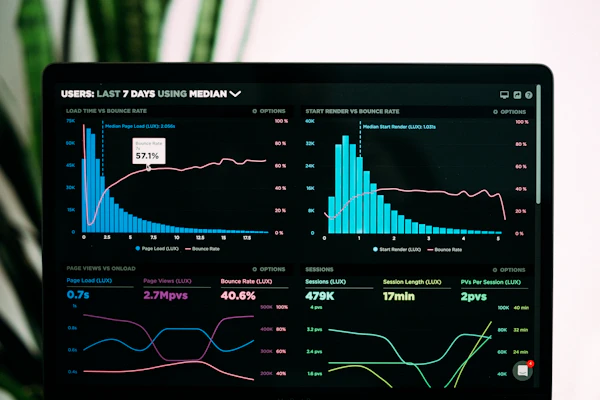
Once the page is live, Runner AI can test headlines, section order, product emphasis, and CTA language using the same optimization system behind the broader storefront.
Store-native publishing
Campaign pages publish into the same store experience instead of a disconnected landing-page subdomain. Inventory, checkout, analytics, and brand controls stay in one place.

A product principle for AI Ecommerce Landing Page Builder
Keep AI Ecommerce landing page builder work connected to real store context, make each proposed change reviewable, and publish only what the operator approves.
— Runner AI product principle
Build pages from the product truth, not a blank canvas
The hardest part of campaign landing pages is not adding a hero block. It is deciding what the page can honestly promise. Runner AI starts from the store: product attributes, price rules, bundles, fulfillment constraints, return policy, reviews, and brand voice. From there, it drafts a focused page for the specific visitor arriving from search, social, email, creator traffic, or a launch announcement. The workflow is deliberately different from a generic page builder. You do not paste catalog details into a separate tool, rewrite the same claim five times, and hope checkout still matches the offer. Runner AI keeps the landing page close to the product data so the page can be specific, current, and safe to publish. For teams already using the /features/ai-store-builder workflow, this becomes a campaign layer on top of the same storefront system rather than another disconnected destination.

Turn traffic context into page structure
A visitor from a comparison search needs different proof than a shopper clicking a limited email drop. A paid social click may need faster visual confirmation, while returning customers may need bundle math, shipping clarity, and fewer brand-introduction blocks. Runner AI lets the brief include the channel, audience, offer, hero product, objections, and desired next action. It then assembles the page around that context: a short answer at the top, product modules that match the hook, objection sections that answer likely friction, and CTAs that lead into the real checkout path. This is where the page differs from /features/online-store-building: the store already exists or is being generated, and the landing page is a campaign-specific surface designed to convert one segment without rebuilding the whole site.

Keep campaign pages connected after launch
Static landing pages go stale quickly. A discount ends, a product sells out, a new variant launches, or an ad angle starts pulling a different audience than expected. Runner AI treats the page as part of an operating store, so updates can follow product data and performance signals. The same system that supports /features/all-in-one-ecommerce can keep landing pages aligned with catalog changes, analytics, conversion tests, and shopper behavior. That matters for lean teams because the work after launch is usually where revenue leaks: someone forgets to change an expired offer, the page keeps pushing a low-margin SKU, or selected copy never makes it back to the storefront. Runner AI helps campaign learning compound across the store instead of dying inside one temporary page.

Use it for launches, offers, bundles, and creator traffic
The right use cases are pages where the homepage is too broad and a product detail page is too narrow. Runner AI can draft a launch page for a new collection, a bundle page for seasonal demand, a creator-specific page that explains why the recommended products fit that audience, or a paid-search page that answers the exact commercial question in the ad. The page can include product proof, comparison blocks, FAQs, shipping and return reassurance, and a direct path to purchase. Browse /features to see the rest of the Runner AI system around this workflow: storefront generation, marketing automation, conversion optimization, backend operations, and analytics all work better when the campaign page is not isolated from the store.

Product principle
The useful result is AI Ecommerce landing page builder work you can review, revise, and connect back to the store — not another disconnected dashboard.
— Runner AI product principle
AI Ecommerce Landing Page Builder FAQ
What is an AI Ecommerce landing page builder?
An AI ecommerce landing page builder creates focused campaign pages from your product data, offer, audience, and traffic source. Runner AI uses that context to generate page sections, product proof, FAQs, and conversion paths that stay connected to the store instead of living in a separate landing-page tool.
How is this different from a normal landing page builder?
A normal builder gives you templates and editing controls. Runner AI starts with ecommerce context: catalog details, variants, checkout, inventory, promotions, and shopper behavior. The result is a page that can launch quickly while still matching the product truth and the broader storefront experience.
Can Runner AI build landing pages for paid ads?
Yes. You can brief Runner AI with the ad angle, keyword, audience, and offer. It can draft a page that mirrors the message, answers the visitor’s likely objections, and routes shoppers toward the relevant product or bundle without sending every campaign to the homepage.
Does the page keep improving after it goes live?
Runner AI is designed around an optimization loop. After launch, it can use traffic and conversion signals to adjust headlines, section order, offer framing, and CTA copy. That makes the AI ecommerce landing page builder useful beyond the first draft.
Build the campaign page your store is missing
Give Runner AI a product, audience, offer, and channel. It will draft a store-native landing page you can publish, test, and improve.
- Catalog-grounded copy
- Store-native checkout path
- Built-in optimization loop
Build me a campaign landing page for my new product collection using my real catalog data, with offer-focused copy, product proof sections, and a direct checkout path.