

Your AI Ecommerce Product Launch Pages, Built Around Your Store
Describe the outcome you need. Runner uses your catalog, brand, and store context to prepare reviewable AI Ecommerce product launch pages work, so you can approve it without moving data between tools.

Try AI Ecommerce product launch pages with your store context now. Publishing and automation depend on your plan.
AI Ecommerce product launch pages need more than a polished hero
A product launch page has to handle anticipation, proof, availability, urgency, and post-launch learning. Runner AI keeps those pieces connected to the commerce system.
Launch-brief generation
Describe the product, drop date, audience, preorder rule, creator angle, or collection story. Runner AI turns that into launch sections instead of asking a team to start from a blank page.

Catalog-safe claims
The page is grounded in real product names, variants, prices, materials, inventory status, shipping rules, and return policy so launch copy stays specific without overpromising.

Drop-window optimization
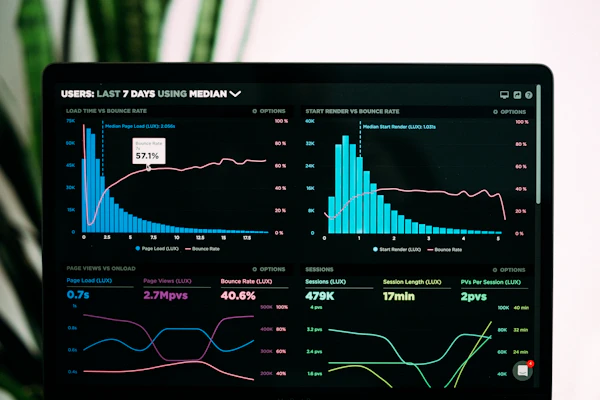
During the launch, Runner AI can test proof order, CTA language, urgency framing, FAQs, and product emphasis as traffic arrives from email, SMS, social, paid search, or creators.
Store-native publishing
Launch pages publish into the same storefront system as checkout, analytics, recommendations, and inventory instead of becoming a disconnected microsite that drifts after the reveal.

A product principle for AI Ecommerce Product Launch Pages
Keep AI Ecommerce product launch pages work connected to real store context, make each proposed change reviewable, and publish only what the operator approves.
— Runner AI product principle
Turn a launch plan into a sellable storefront surface
A product launch page is different from a homepage, product detail page, or evergreen landing page. It has to explain what is new, why the product matters now, who it is for, when it becomes available, how inventory or preorder rules work, and what shoppers should do next. Runner AI starts with that launch context. The operator can provide a short brief that includes the product, drop date, waitlist promise, audience, creator hook, bundle, or preorder constraint. Runner AI then drafts the page around the job of the launch: a short answer near the top, product proof, story sections, availability language, objection handling, FAQs, and a real path to checkout. This complements /features/ai-ecommerce-landing-page-builder, but the intent is narrower. The page is not just any campaign destination. It is built for launches, drops, preorders, restocks, and new collections where timing and product truth decide whether demand converts.

Compare landing page generation
Keep claims tied to product, inventory, and policy data
Launch urgency can create risky copy. Teams are tempted to promise limited availability, fast shipping, exclusive bundles, or technical benefits before the operational details are final. Runner AI reduces that drift by grounding the page in store data: product attributes, variants, prices, media, stock levels, delivery rules, return policy, bundle composition, and checkout path. The result is launch copy that sounds specific because it is specific. A preorder page can explain the shipping window. A limited drop can clarify quantities without inventing scarcity. A new collection page can highlight the materials, use cases, and variants that actually exist in the catalog. Operators who already use /features/ai-store-builder get this as an extension of the same store-building system rather than a separate launch microsite that someone must reconcile manually after the announcement.

Adapt the page as launch traffic teaches you what shoppers need
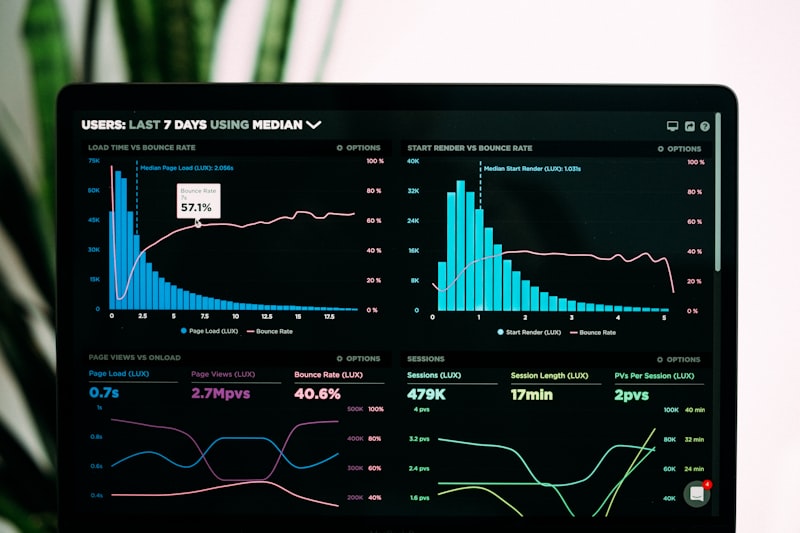
Launch traffic rarely behaves exactly as planned. Email subscribers may already know the story and need fast access to size, price, and shipping details. Paid search visitors may need more education. Creator traffic may need proof that the featured product matches the use case they just saw. Runner AI can use the same optimization approach behind /features/ai-ecommerce-conversion-optimization to adjust launch pages after traffic arrives. It can refine headlines, reorder proof, surface the most common objections, test CTA language, and route shoppers toward the right product or bundle. That matters during a short launch window because the first version of the page is only a hypothesis. The page should learn while the campaign is live, not wait for a retrospective when the drop is already over.
Explore conversion optimization
Reuse launch learning across the whole store
The right launch pages do not disappear after launch day. They reveal which objections mattered, which product details drove action, which channels brought high-intent shoppers, and which messages deserve to move into evergreen merchandising. Runner AI keeps the launch page inside the broader store system so those learnings can inform homepage modules, product descriptions, recommendations, abandoned-cart flows, and later launches. That is why the workflow belongs beside /features/all-in-one-ecommerce rather than inside a standalone page builder. Browse /features to see the surrounding Runner AI capabilities: storefront generation, marketing automation, analytics, recommendations, and checkout optimization all become more useful when launch data is not trapped in an isolated campaign page.

Product principle
The useful result is AI Ecommerce product launch pages work you can review, revise, and connect back to the store — not another disconnected dashboard.
— Runner AI product principle
AI Ecommerce Product Launch Pages FAQ
What are AI Ecommerce product launch pages?
AI ecommerce product launch pages are store-native pages generated from a launch brief, product data, offer rules, audience context, and checkout path. Runner AI uses that context to create launch sections for drops, preorders, restocks, and new collections without separating the page from the rest of the store.
How is this different from a normal landing page builder?
A normal landing page builder focuses on templates and layout controls. Runner AI focuses on launch execution: product truth, availability, preorder or drop rules, audience context, internal links, checkout path, and optimization after the launch page starts receiving traffic.
Can Runner AI support product drops and preorders?
Yes. The page can be briefed with drop timing, limited availability, preorder windows, shipping expectations, product variants, and audience-specific proof. The copy stays tied to the store data and policy details you provide.
Does the page keep improving after launch day?
Runner AI is designed around an optimization loop. As traffic arrives, it can test and refine headlines, section order, FAQs, CTA language, and product emphasis so the launch page can respond to shopper behavior during the campaign.
Build the launch page your next drop needs
Give Runner AI the product, audience, drop timing, offer rules, and channel context. It will draft a page your store can publish, test, and learn from.
- Launch-brief generation
- Catalog-grounded claims
- Store-native optimization
Build me a product launch page for my next drop with preorder rules, a drop-date countdown, product proof, and a direct checkout path.