

Your Warehouses, Tracked in Your Store
Runner AI is not a warehouse management system and does not connect to one. Your Runner AI store keeps stock for each product variant in each warehouse you add, lowers it as orders come in, and records the shipments that leave. For a small team that ships from one or a few locations, that can be enough warehouse management.

Start from your store’s own stock and orders now. Publishing and automation depend on your plan.
What Your Store Handles, and What It Does Not
Runner AI covers the stock and shipping records a store needs. It does not handle receiving docks, bin locations, barcode scanning, or pick lists.
Stock per Warehouse
Add your warehouses in Store Operations, and the store keeps a stock count for each variant in each one. When a delivery arrives, update the count there. Runner AI can also update it in chat when a variant is stocked in one warehouse.
Orders That Lower Stock
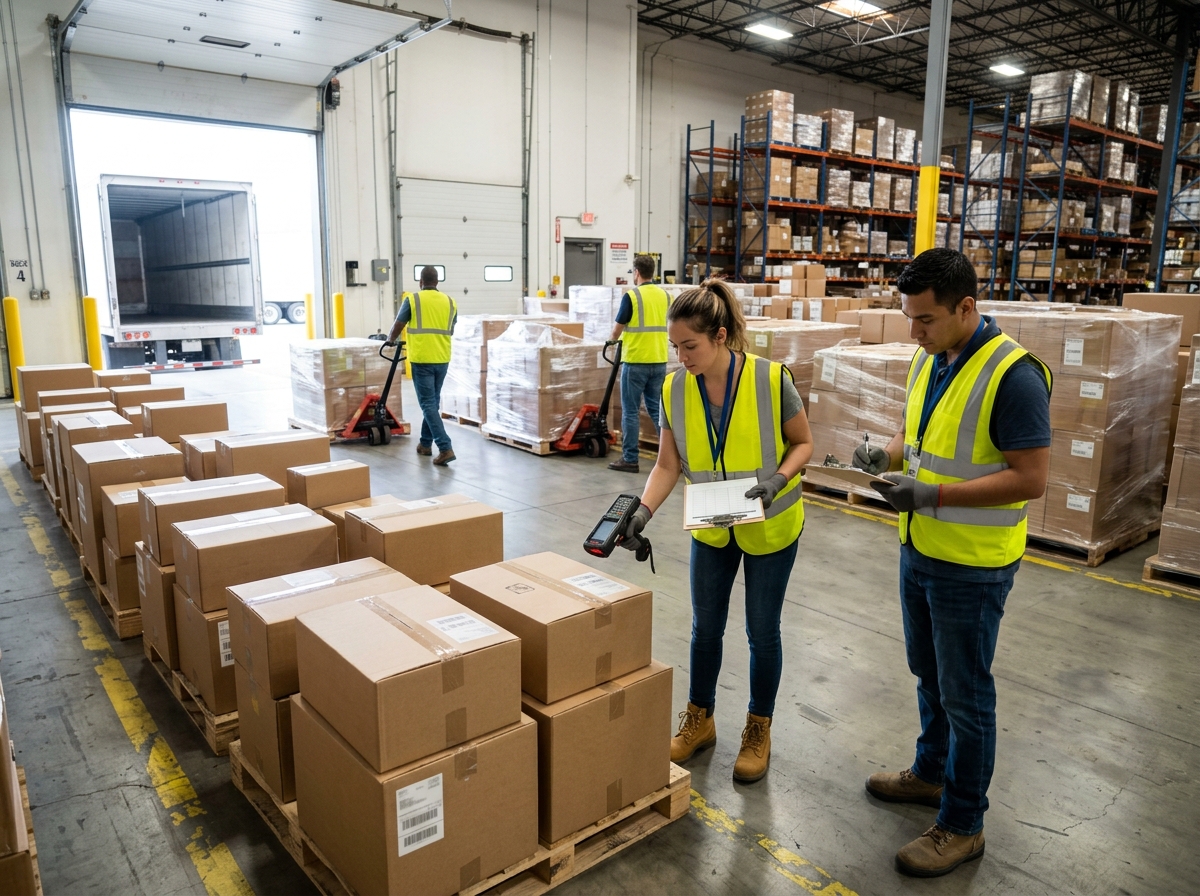
Every order lowers stock as soon as it is placed. Shoppers cannot buy a sold-out variant unless you allow backorders, so the store does not promise stock it does not have.
Shipments and Tracking
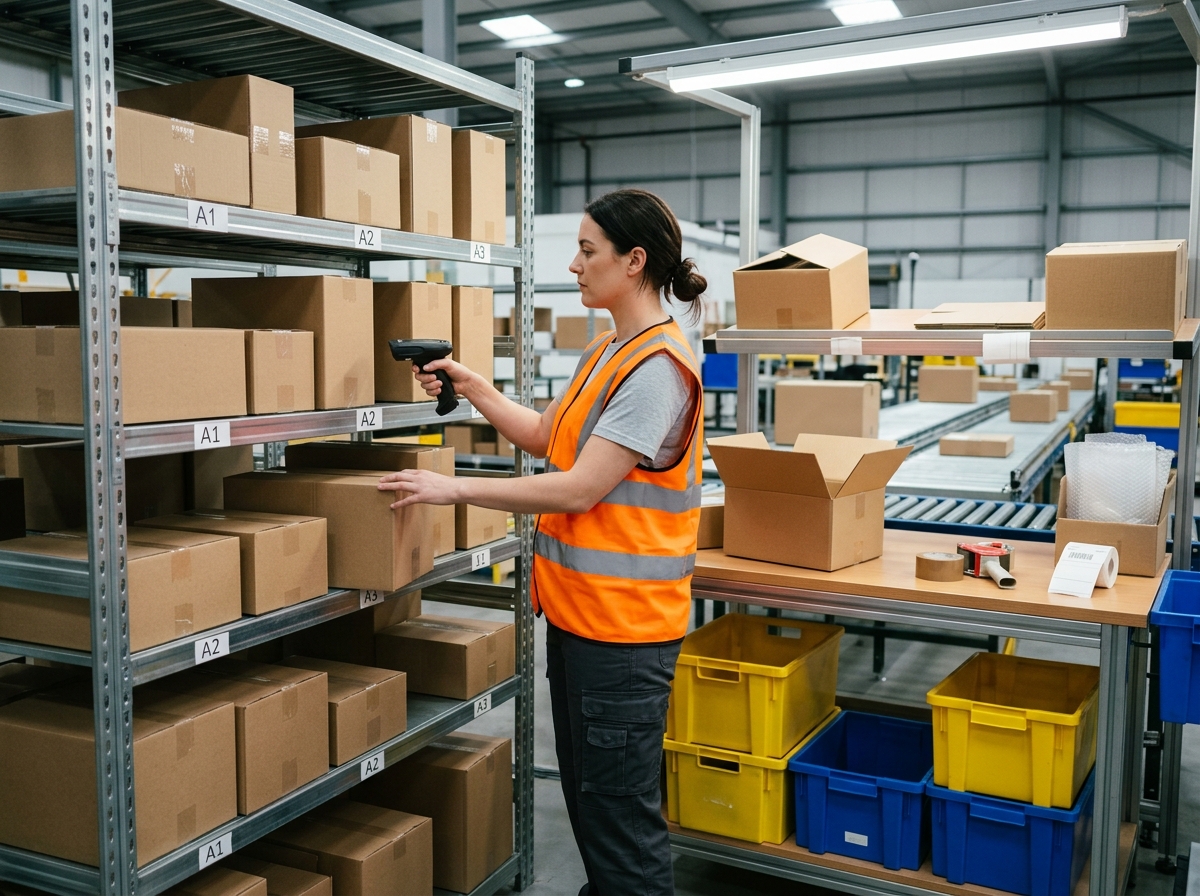
Mark orders as fulfilled and shipped in Store Operations, add tracking numbers, and buy shipping labels when Shippo is connected.
A product principle for Ecommerce Warehouse Management
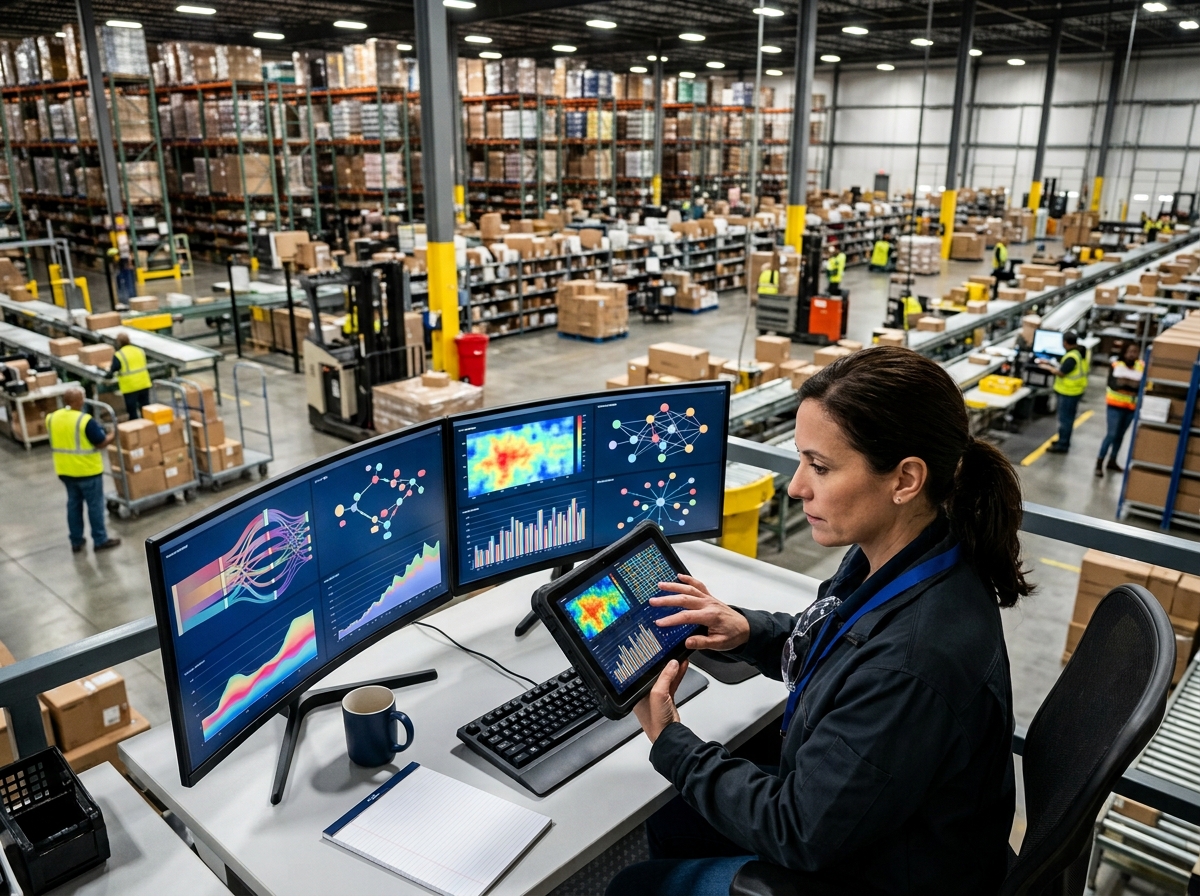
Keep the store’s stock count honest, and say plainly where a dedicated warehouse system takes over.
— Runner AI product principle
Know When You Need a Real WMS.
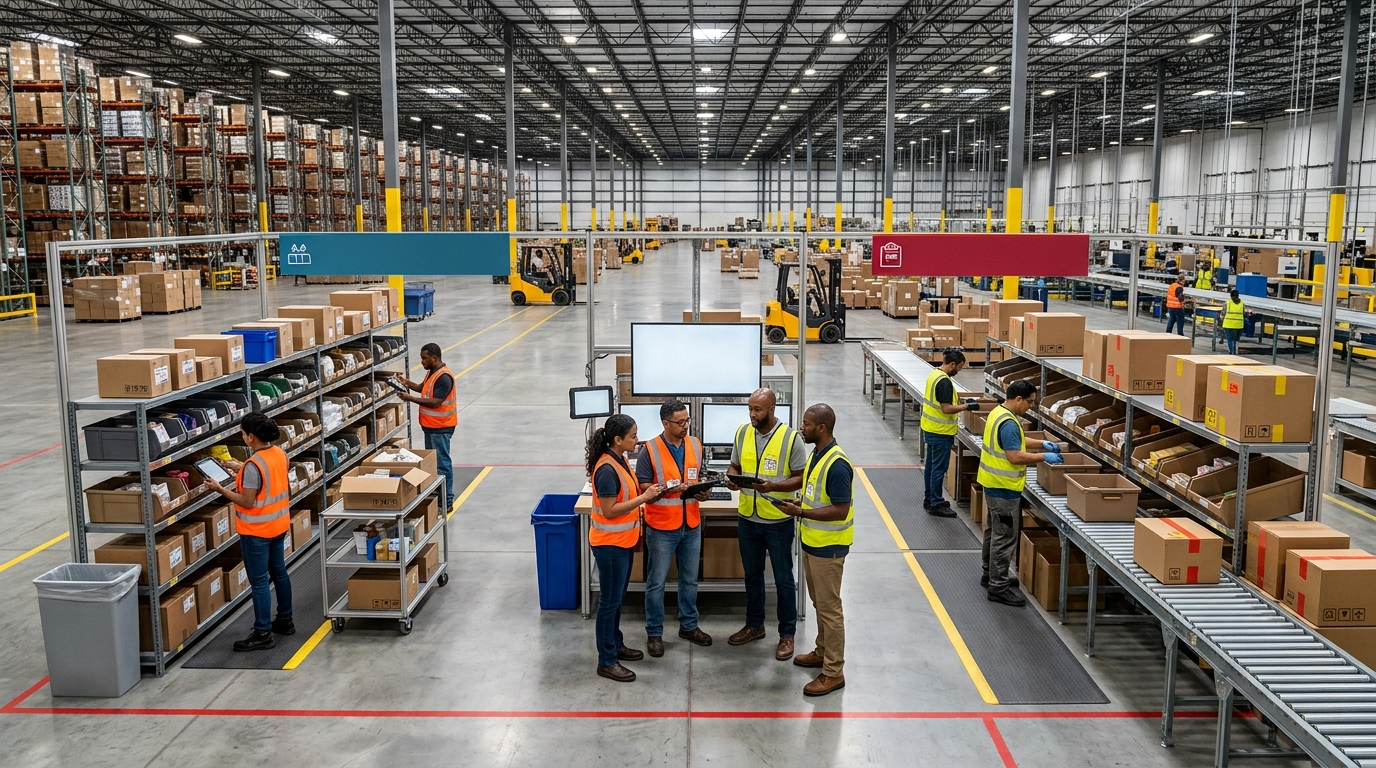
A warehouse management system controls the physical work inside a warehouse: receiving inbound stock, putting it away in bins, picking and packing orders, and counting what is on the shelves, often with scanners and label printers. Runner AI does none of that, and it has no connector that reads stock from a WMS or sends orders to one. What the store does keep is the stock count shoppers see, the orders that change it, and the shipments that close them. If you pick from a few shelves and count stock yourself, those records may be all you need. If you run a large warehouse or work with a third-party logistics provider, use their system for the floor work and keep the store’s counts current in Store Operations. The store’s webhooks can also tell an outside system when an order is placed or shipped.
Spot Stock Problems Before Shoppers Do.
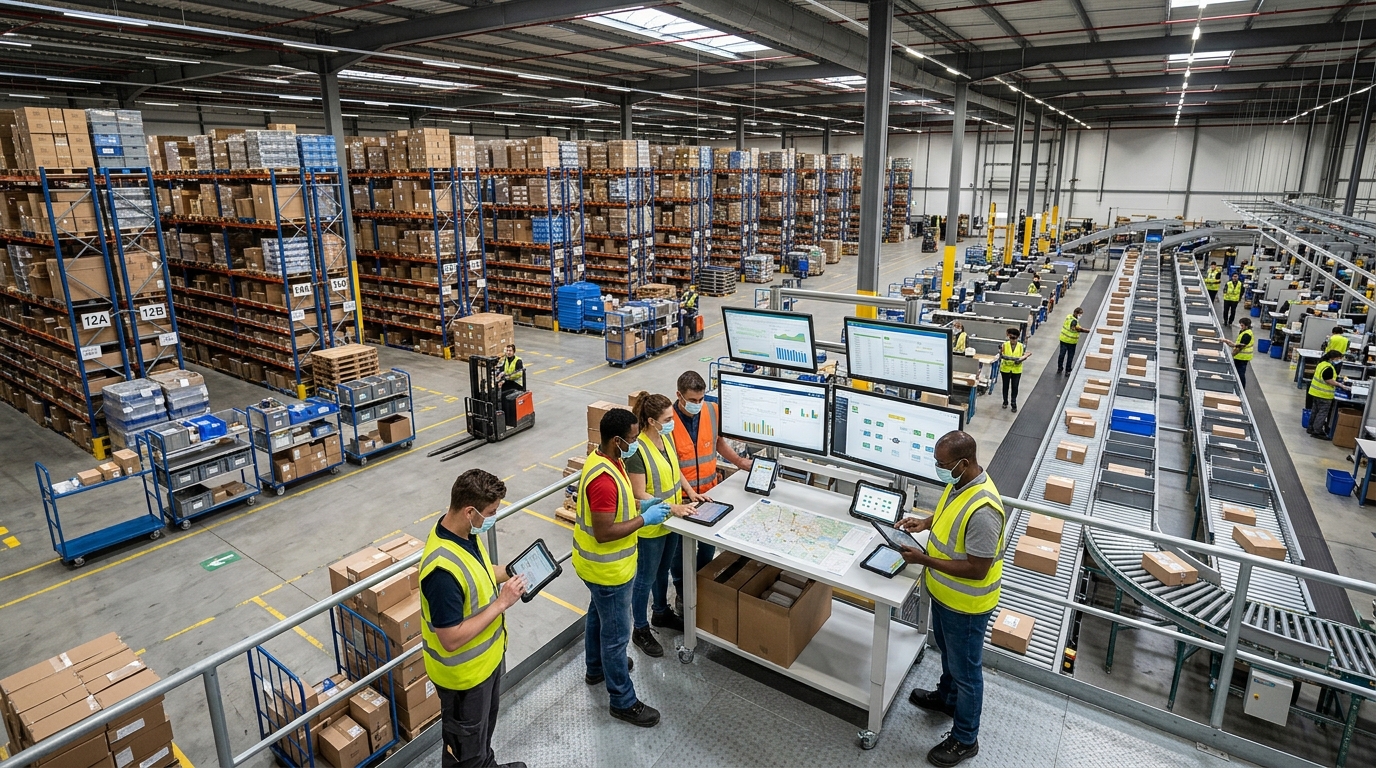
Runner AI reads your store’s products, stock, and orders together, so you can ask it in chat which variants are running low, which products sell fastest, or what to reorder first. If your plan includes automations, you can also turn on the Low Stock Alert, which emails you a daily list of variants running low. If you sell dropshipping or print-on-demand products, the supplier ships those orders, and the store records the tracking the supplier sends back.
Product principle
The useful result is a stock count shoppers can trust, kept in the store that sells the stock.
— Runner AI product principle
Warehouse Management System for Ecommerce in Runner AI
What is a warehouse management system for ecommerce?
A warehouse management system for ecommerce runs the work inside a warehouse: receiving, storage, picking, packing, stock counts, and shipping for online orders. Runner AI is not one; it keeps stock per warehouse, orders, and shipments in your store.
How is Runner AI different from a standalone WMS?
A standalone WMS manages the warehouse floor, with bins, scanners, and pick lists. Runner AI manages the store: the stock count per warehouse, the orders that lower it, and the shipments and tracking that follow. It does not connect to a WMS, so the two do not share data automatically.
Can warehouse management reduce overselling?
Yes, when the stock count shoppers see is accurate. In a Runner AI store, each order lowers stock right away, and a sold-out variant cannot be bought unless you allow backorders. You keep the count accurate by updating it after deliveries and stock counts.
Which Runner AI features work with warehouse management?
Inventory management, fulfillment automation, supplier management, and order management all use the same store records: stock per warehouse, orders, and shipments.
Ready to Track Stock Where You Sell It?
Use Runner AI to keep stock per warehouse, orders, and shipments accurate in your store.
- Stock per variant and warehouse
- Orders that lower stock right away
- Shipments, tracking, and Shippo labels
List the variants in my store that are low on stock in each warehouse.