

Your Website Builder For Artists, Built Around Your Store
Describe the outcome you need. Runner uses your catalog, brand, and store context to prepare reviewable website builder for artists work, so you can approve it without moving data between tools.

Try website builder for artists with your store context now. Publishing and automation depend on your plan.
A Connected Website Workflow for an Independent Artist
Runner AI brings portfolio structure, artwork context, storefront pages, and later revisions into one reviewable workspace without inventing details about the work.
Shape the Portfolio
Organize selected works by series, medium, year, or theme so visitors can understand the practice without forcing every piece into a product grid.
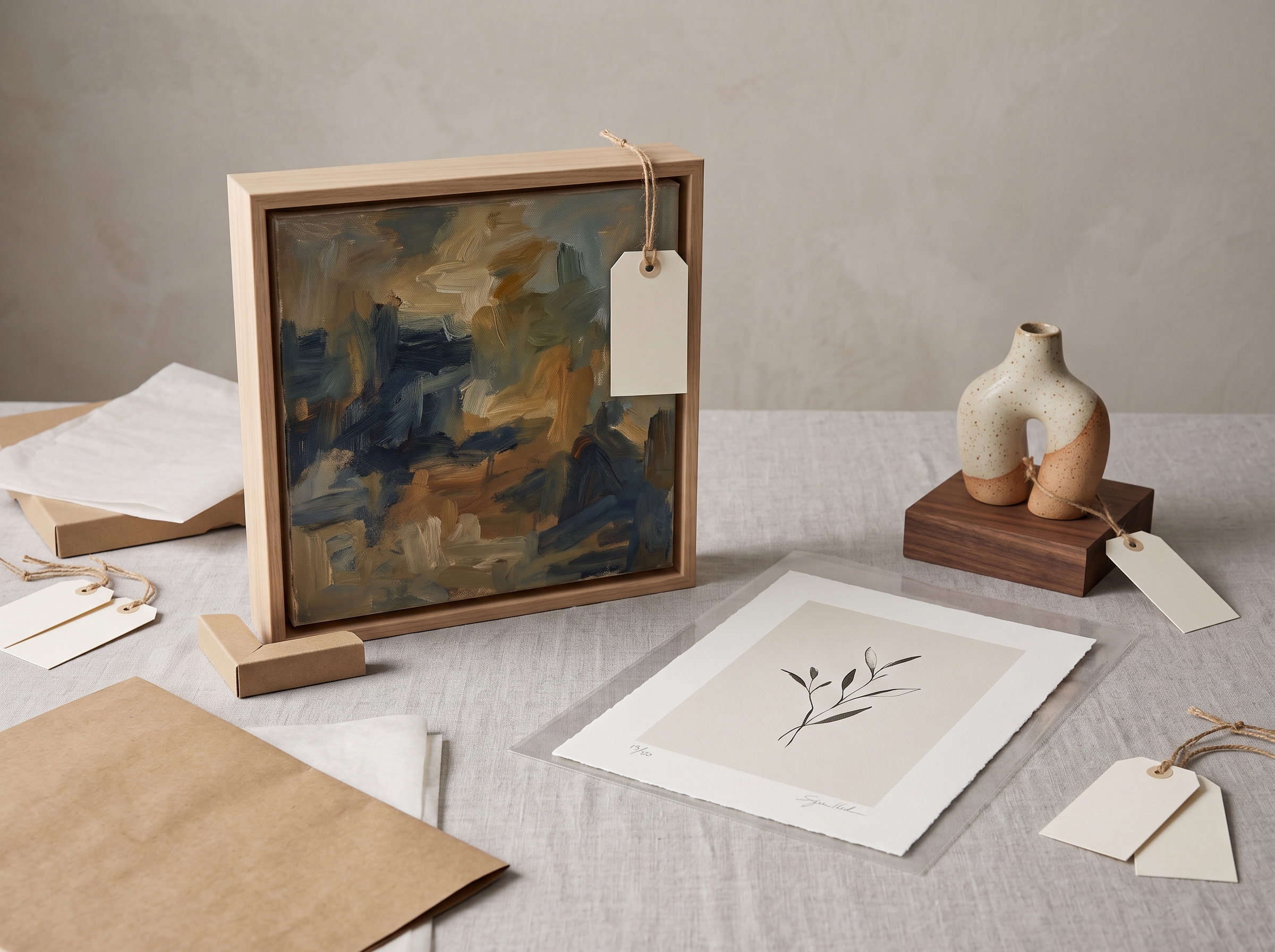
Present Originals and Prints
Use supplied titles, dimensions, materials, editions, prices, and availability to create distinct, reviewable presentations for originals and prints.
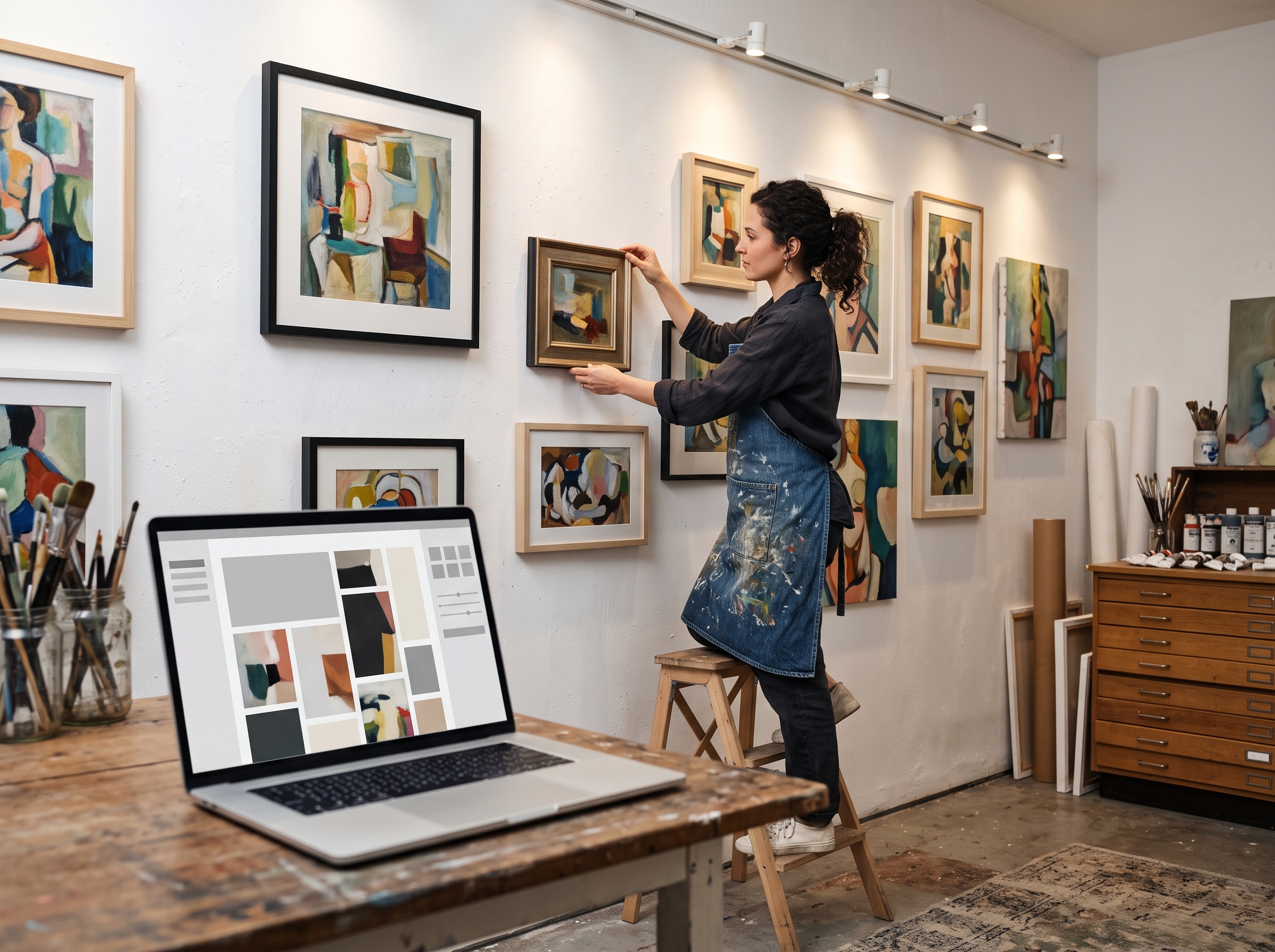
Keep the Visual Voice Coherent
Describe the desired pacing, typography, color restraint, and image treatment in plain language, then inspect how those choices support the art.

Revise After Launch
Return when a new series, exhibition, print edition, or artist statement is ready. Request a focused update and review the proposed change before publishing.

A product principle for Website Builder For Artists
Keep website builder for artists work connected to real store context, make each proposed change reviewable, and publish only what the operator approves.
— Runner AI product principle
Build from the Practice and the Supplied Catalog
An artist’s portfolio and shop should feel related without becoming interchangeable. Runner AI can begin with the context you provide: an artist statement, selected series, artwork images, titles, dates, media, dimensions, edition details, prices, availability, and the distinctions between originals and prints. From that material, the workspace can propose a homepage, portfolio navigation, series pages, artwork pages, and shop structure for review. The AI store builder explains the broader prompt-to-store workflow, while the ecommerce platform for digital products is useful when the catalog also includes downloadable work. You remain responsible for confirming every artwork fact, price, availability note, reproduction detail, and policy before publication.

See the Digital Product Workflow
Keep New Work and Revisions in the Same Context
A portfolio changes as the practice changes. A new body of work may need a quieter introduction, a sold original may need an availability update, or a print edition may require a clearer relationship to the source piece. Runner AI keeps the supplied artistic and catalog context available so you can ask for a precise revision rather than explain the whole website again. You can review a revised series page, navigation order, artwork description, or mobile opening before deciding what goes live. Ecommerce website templates provide another way to compare common storefront structures, and the complete Runner AI feature library connects this work to related website and content workflows.

Compare Ecommerce Website Templates
Product principle
The useful result is website builder for artists work you can review, revise, and connect back to the store — not another disconnected dashboard.
— Runner AI product principle
Website Builder for Artists FAQ
What should a website builder for artists include?
It should support a clear portfolio, artist and series context, artwork pages, and a way to present available originals or prints without reducing the whole practice to a product list. It should also make later updates practical and reviewable.
Can Runner AI connect my portfolio and art shop?
Yes. Runner AI can use the portfolio, catalog, and visual direction you supply to propose connected portfolio and storefront pages. You review the structure, wording, artwork details, prices, and availability before publishing.
What catalog details should I provide?
Provide only verified details that matter to visitors, such as title, year, medium, dimensions, series, edition information, price, availability, and any supplied notes about the work. You can correct or expand that context before pages go live.
Can I update the website when I release new work?
Yes. You can return to the same workspace, supply the new series or catalog details, request a focused change, and review the proposed portfolio or storefront revision before publishing it.
Does Runner AI handle client proofing or payments?
This workflow focuses on creating and revising the artist-facing portfolio and storefront experience. Confirm any client proofing, payment, shipping, tax, licensing, return, or fulfillment requirements with the specialist systems and policies you choose.
Turn Your Art Practice into a Reviewable Storefront
Share your artistic context, selected work, and catalog details. Review the proposed website before it goes live.
- Portfolio and shop together
- Artwork-aware structure
- Focused post-launch revisions
Build a website for my art practice using this artist statement, portfolio, and catalog of originals and prints. Create a restrained portfolio-led storefront, preserve the supplied artwork details, and show me each page so I can review it before publishing.