

Your AI Ecommerce Product Recommendations, Built Around Your Store
Describe the outcome you need. Runner uses your catalog, brand, and store context to prepare reviewable AI Ecommerce product recommendations work, so you can approve it without moving data between tools.
Try AI Ecommerce product recommendations with your store context now. Publishing and automation depend on your plan.
Stop Showing the Same Products to Every Shopper.
Recommendations convert when they understand why the shopper is here, which products can actually ship, and which offer should come next. Runner AI connects those decisions to the same system that builds, tests, and optimizes the store.
Recommend from Live Store Context
Runner AI can weigh product views, cart contents, inventory, margins, collection rules, and campaign goals before it fills a recommendation slot. A low-stock product, a high-margin bundle, and a replenishment item should not be treated the same way.

Test Placement Like a CRO Workflow
Recommendation blocks are part of conversion-rate optimization, not decoration. Runner AI can compare homepage modules, PDP cross-sells, cart add-ons, and post-purchase prompts to learn where each product relationship belongs.
Keep Copy and Offers Aligned
A recommended product needs a reason. Runner AI can keep the module headline, product description, bundle angle, and offer language aligned so shoppers understand why the suggestion fits the moment.

Avoid Irrelevant or Unavailable Items
Recommendations lose trust when they promote sold-out products or generic accessories. Runner AI treats availability, customer stage, and merchandising constraints as first-class inputs before showing a suggestion.

A product principle for AI Ecommerce Product Recommendations
Keep AI Ecommerce product recommendations work connected to real store context, make each proposed change reviewable, and publish only what the operator approves.
— Runner AI product principle
AI Ecommerce Product Recommendations Need a Real Reason to Appear.
The default recommendation playbook is predictable: recently viewed products, bestsellers, and a generic “you may also like” row. Those modules can help, but they often ignore the business context that decides whether a suggestion should be shown at all. Runner AI treats AI ecommerce product recommendations as part of the conversion system. It can evaluate the shopper journey, the product being viewed, available inventory, current merchandising rules, and the offer already promised elsewhere on the page. That matters because recommendation slots are limited. A product page might need a compatible add-on, a cart might need a bundle that protects margin, and a post-purchase moment might need replenishment rather than a random cross-sell. The same context behind ai ecommerce conversion optimization informs which recommendation deserves the slot, how it should be framed, and when it should stay hidden.

Explore ai ecommerce conversion optimization
Recommendations Should Learn from Analytics, Not Just Clicks.
Click-through rate is useful, but it is not the whole story. A recommendation can earn clicks and still send shoppers toward low-margin items, out-of-stock variants, or products that create support issues. Runner AI connects recommendation decisions to ai ecommerce analytics so teams can judge the full downstream effect: add-to-cart rate, checkout progression, average order value, return risk, and whether the shopper found a better-fit product. That creates a cleaner feedback loop than a standalone personalization app. If a recommendation helps product discovery but hurts checkout completion, the system can test a different placement or message. If a bundle performs well only for a certain segment, it can keep that pattern scoped. Product recommendations become measurable conversion assets instead of black-box blocks that everyone is afraid to remove.
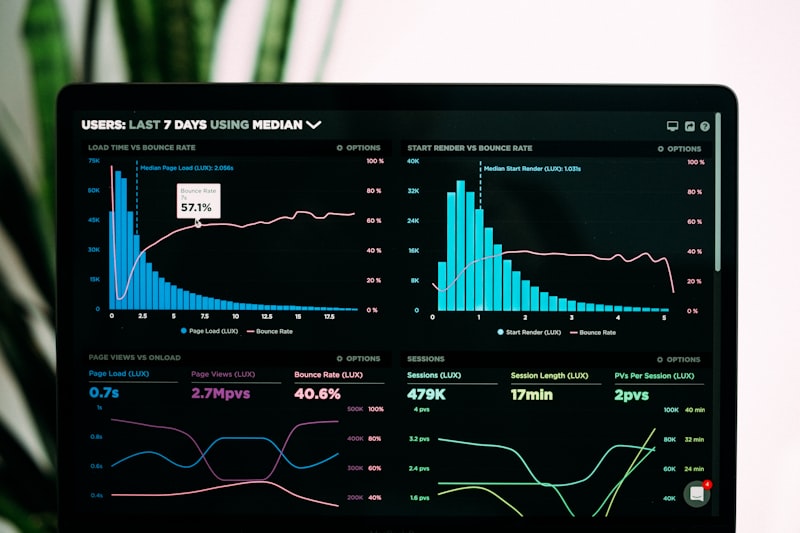
Connect recommendations to ai ecommerce analytics
Compare with AI ecommerce A/B testing
Use Recommendations Across the Journey Without Creating Noise.
A shopper does not need the same recommendation logic on every surface. The homepage may need fast category discovery. A product page may need compatible items, variants, or a higher-confidence alternative. The cart may need a lightweight add-on that does not interrupt checkout. After purchase, the right next product might be a refill, accessory, or education-led follow-up. Runner AI keeps those jobs separate while sharing one source of truth. It can draft the headline, choose the product relationship, and test whether the recommendation belongs on the page, in email, in SMS, or nowhere yet. This restraint is what makes AI ecommerce product recommendations useful for lean teams: the system can improve discovery and order value without turning the store into a wall of unrelated offers.

Product principle
The useful result is AI Ecommerce product recommendations work you can review, revise, and connect back to the store — not another disconnected dashboard.
— Runner AI product principle
How AI Ecommerce Product Recommendations Work in Runner AI
What are AI Ecommerce product recommendations?
AI ecommerce product recommendations are product suggestions selected from shopper behavior, product relationships, and store context. In Runner AI, that context can include cart contents, product copy, inventory, margin rules, campaigns, and conversion data so the recommendation has a clear reason to appear.
Where can Runner AI place product recommendations?
Runner AI can help shape recommendations for homepages, collection pages, product pages, carts, post-purchase flows, and lifecycle messages. The important part is matching the placement to the job: discovery, comparison, add-on selection, replenishment, or recovery.
How is this different from a basic bestseller carousel?
A bestseller carousel usually shows the same popular products to many shoppers. Runner AI can use live store context and test results to decide whether the shopper needs a compatible add-on, a better alternative, a replenishment item, or no recommendation at that moment.
Can recommendations improve average order value without hurting trust?
Yes, when they are relevant and restrained. Runner AI can prioritize bundles, add-ons, and alternatives that fit the shopper intent while avoiding sold-out or irrelevant products. The goal is to help the shopper decide, not flood the page with offers.
Do AI Ecommerce product recommendations need A/B testing?
Yes. Recommendation logic should be tested because placement, headline, product mix, and timing can change conversion behavior. Runner AI connects recommendations to CRO and analytics signals so teams can see what improves discovery, checkout progression, and order value.
Ready to Recommend Products with Store Context?
Build AI ecommerce product recommendations that use inventory, shopper intent, product relationships, and conversion data before filling the next slot.
- Live store signals
- CRO-aware recommendation tests
- Connected product discovery
Build product recommendation blocks that read my live inventory, margins, and shopper intent so each slot shows compatible add-ons, bundles, or replenishment items instead of generic bestsellers.