

Your AI Ecommerce Loyalty Program, Built Around Your Store
Describe the outcome you need. Runner uses your catalog, brand, and store context to prepare reviewable AI Ecommerce loyalty program work, so you can approve it without moving data between tools.
Try AI Ecommerce loyalty program with your store context now. Publishing and automation depend on your plan.
Stop Treating Loyalty Like a Points Widget.
Most loyalty tools sit beside the store. Runner AI keeps loyalty inside the same system that builds pages, tests offers, recommends products, and watches checkout behavior, so rewards support the buying moment instead of interrupting it.
Trigger Rewards from Store Context
Runner AI can use customer stage, cart value, product margin, inventory, and purchase history before showing a reward. A first-time shopper, a replenishment buyer, and a VIP tier member should not see the same prompt.

Test Loyalty as CRO
Rewards affect conversion, average order value, and margin.
Coordinate Messages After Purchase
A loyalty program fails when the storefront, email, SMS, and product recommendation all tell different stories. Runner AI can keep reward copy, timing, and next-product logic aligned across the lifecycle.

Protect Margin and Trust
The right reward is not always the biggest discount. Runner AI can balance customer value, inventory pressure, fulfillment constraints, and checkout friction before choosing the loyalty move that fits the order.

A product principle for AI Ecommerce Loyalty Program
Keep AI Ecommerce loyalty program work connected to real store context, make each proposed change reviewable, and publish only what the operator approves.
— Runner AI product principle
An AI Ecommerce Loyalty Program Starts with the Buying Moment.
Traditional loyalty software often starts with a reward catalog: points for purchases, points for referrals, birthday credits, VIP tiers, and coupons. Those mechanics can work, but they do not answer the harder conversion question: should this shopper see a loyalty prompt right now? Runner AI treats an AI ecommerce loyalty program as part of the same CRO system that reads product pages, cart state, checkout friction, and post-purchase behavior. If a shopper is comparing replenishment products, loyalty can make the right-fit item easier to choose. If a returning customer hesitates at checkout, a reward reminder may reduce uncertainty without adding a new discount habit. If a product is low margin or low stock, the system can avoid pushing a reward that creates a worse order. That is the differentiator: loyalty decisions use live store context instead of static program rules. Pair this with AI ecommerce checkout optimization when the loyalty prompt needs to support payment confidence, shipping clarity, or cart completion.

Connect loyalty to AI ecommerce checkout optimization
Rewards Should Learn from Recommendations and Analytics.
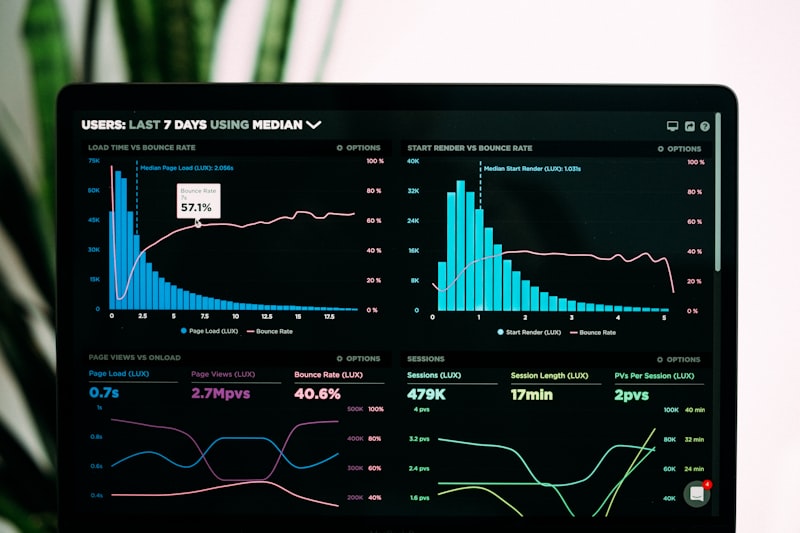
A loyalty program should not only ask whether a member earned enough points. It should ask what action helps the customer succeed next. Runner AI can connect loyalty logic to AI ecommerce product recommendations so repeat buyers see rewards beside products that fit their purchase history, cart context, and replenishment timing. That prevents the common pattern where a loyalty widget offers a generic coupon while the recommendation module suggests unrelated products. The analytics loop matters just as much. A reward may increase clicks but reduce margin, delay checkout, or train customers to wait for credits. Runner AI can evaluate repeat purchase behavior, add-to-cart quality, checkout progress, and average order value together. Loyalty becomes measurable as a conversion asset, not just a retention dashboard. If a tier benefit works for subscription-like replenishment but not for one-time gift buyers, the workflow can keep the tactic scoped instead of applying it everywhere.
See AI ecommerce product recommendations
Measure with AI ecommerce analytics
Use Loyalty Across the Lifecycle Without Creating Noise.
Runner keeps AI ecommerce Loyalty Program work connected to your store and ready for review.

Product principle
The useful result is AI Ecommerce loyalty program work you can review, revise, and connect back to the store — not another disconnected dashboard.
— Runner AI product principle
AI Ecommerce Loyalty Program FAQ
What is an AI Ecommerce loyalty program?
An AI ecommerce loyalty program uses store context to decide which reward, tier message, credit, or referral prompt should appear for a shopper. In Runner AI, loyalty can use purchase history, cart contents, product recommendations, checkout behavior, inventory, margin, and lifecycle signals before choosing the next message.
How is this different from a points app?
A points app usually applies fixed earning and redemption rules. Runner AI treats loyalty as a conversion workflow. It can decide whether a reward should appear on the product page, cart, checkout, post-purchase flow, email, SMS, or not at all based on the shopper and order context.
Where should an AI Ecommerce loyalty program show up?
Useful placements include account areas, product pages, carts, checkout reassurance, post-purchase thank-you pages, replenishment emails, SMS flows, and recommendation modules. Runner AI helps match the placement to the job: reduce friction, explain value, encourage a second purchase, or reward a high-intent customer.
Does Runner AI replace loyalty analytics?
Runner AI connects loyalty decisions to analytics instead of treating them as a separate report. Teams can evaluate whether loyalty prompts improve repeat purchases, checkout completion, product discovery, and order value while keeping the full feature library available for adjacent CRO work.
Ready to Make Loyalty Part of Your CRO Loop?
Runner keeps ai ecommerce loyalty program work connected to your store and ready for review.
Build me an AI loyalty program that triggers contextual rewards based on cart value and purchase history, and syncs points reminders across checkout, email, and post-purchase flows.